
Lion’s Mane and Brain Fog
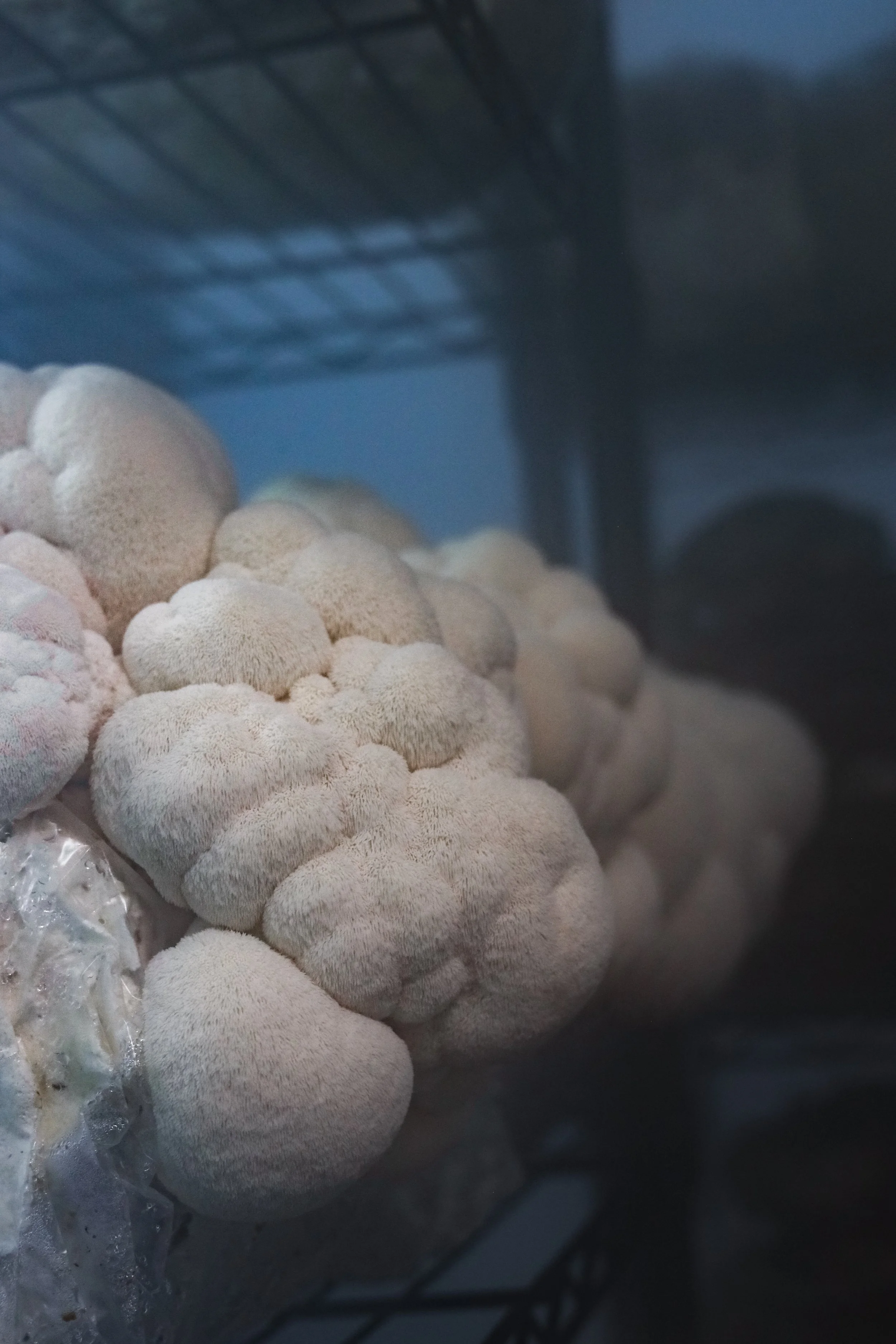
Lion’s mane mushroom in the grow room
Why Lion’s Mane Mushroom May Help With Brain Fog
An educational look at the science behind the “smart mushroom”
If you’ve heard that lion’s mane mushroom (Hericium erinaceus) can help clear “brain fog,” there are real biological reasons scientists are interested in this fungus. Lion’s mane doesn’t act like a stimulant or quick fix — instead, it seems to support fundamental processes your brain uses to stay sharp and flexible.
1. It Promotes Nerve Growth and Brain Cell Communication
Lion’s mane contains special bioactive compounds — especially erinacines (in the mycelium) and hericenones (in the fruiting body) — that appear to stimulate the production of nerve growth factor (NGF), a protein the brain uses to help neurons grow and stay healthy. NGF plays a crucial role in neuron survival, repair, and communication — processes that are directly related to clear thinking and memory.
Think of NGF as fertilizer for neural networks — stronger connections can lead to better processing speed, focus, and clarity.
2. It May Reduce Inflammation in the Brain
Chronic, low-level inflammation in the body and brain is one of the hidden contributors to that sluggish, cloudy feeling many people describe as brain fog. Lion’s mane’s compounds have been shown to modulate inflammatory pathways and provide antioxidant support, which may reduce this kind of inflammation in the nervous system.
3. Studies Suggest Cognitive Support in Humans
While lion’s mane research in humans is still emerging — and the effects tend to be subtle — small clinical trials have shown encouraging results:
In adults with mild cognitive impairment, taking 3 grams of lion’s mane daily for about 16 weeks produced significant improvements in cognitive scores compared to placebo, which then declined after stopping the supplement.
In healthy adults, a 28-day supplementation trial showed faster cognitive performance in some tasks and a trend toward reduced subjective stress, a common contributor to brain fog.
These human studies are not huge, and results vary by age group and how the mushroom was prepared — but overall they support the idea that lion’s mane may help with some forms of mental clarity when taken consistently.
4. It May Support the Gut–Brain Axis
Emerging research in animal models shows that lion’s mane may influence the gut microbiome, which is increasingly understood to play a role in brain health and inflammation. While this area is still early in human research, it provides an exciting link between gut health and mental clarity.
So, What Does This Mean for Brain Fog?
Here’s how lion’s mane may help, in everyday terms:
Supports the brain’s own repair and growth mechanisms — a foundation for sharper thinking and memory.
Helps calm inflammation that can interfere with focus.
May reduce stress and improve mood, which often accompany mental fog.
Works best with consistent use over weeks — not like caffeine or sugar.
A Balanced Take
Lion’s mane isn’t a miracle cure, and the research in humans is still developing. Most of the strongest evidence comes from animal or cell studies, with a handful of human trials showing modest but promising effects.
Still — when paired with good sleep, balanced nutrition, stress management, and regular movement — lion’s mane can be a meaningful, science-supported ally in supporting mental clarity and overall brain health.
Research Sources
If you have been experiencing brain fog, try our mastermind mushroom extract!
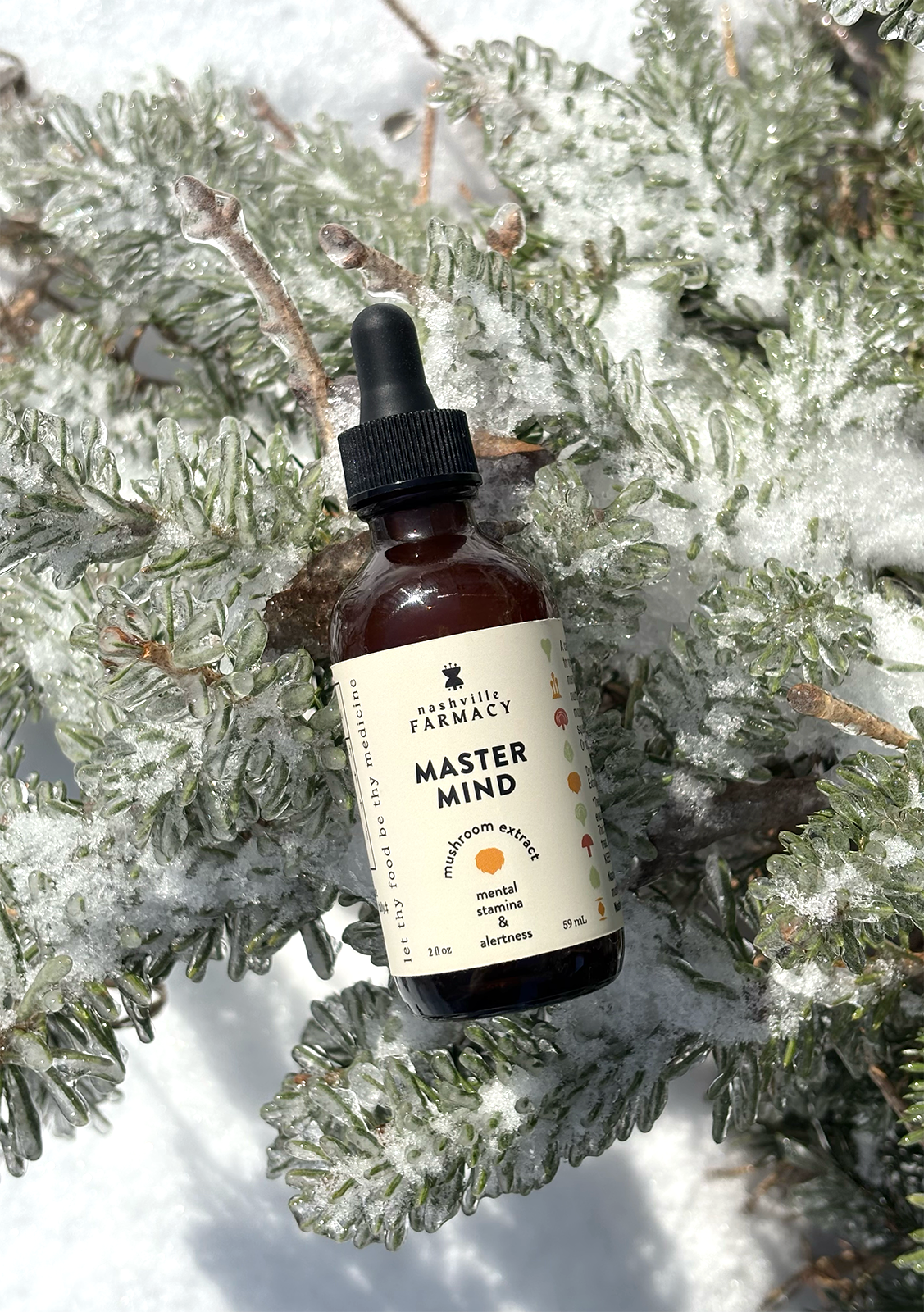
Mastermind mushroom extract made with lion’s mane