
Morel Hunting in Middle Tennessee: Where to Find Them & Trees to Look For
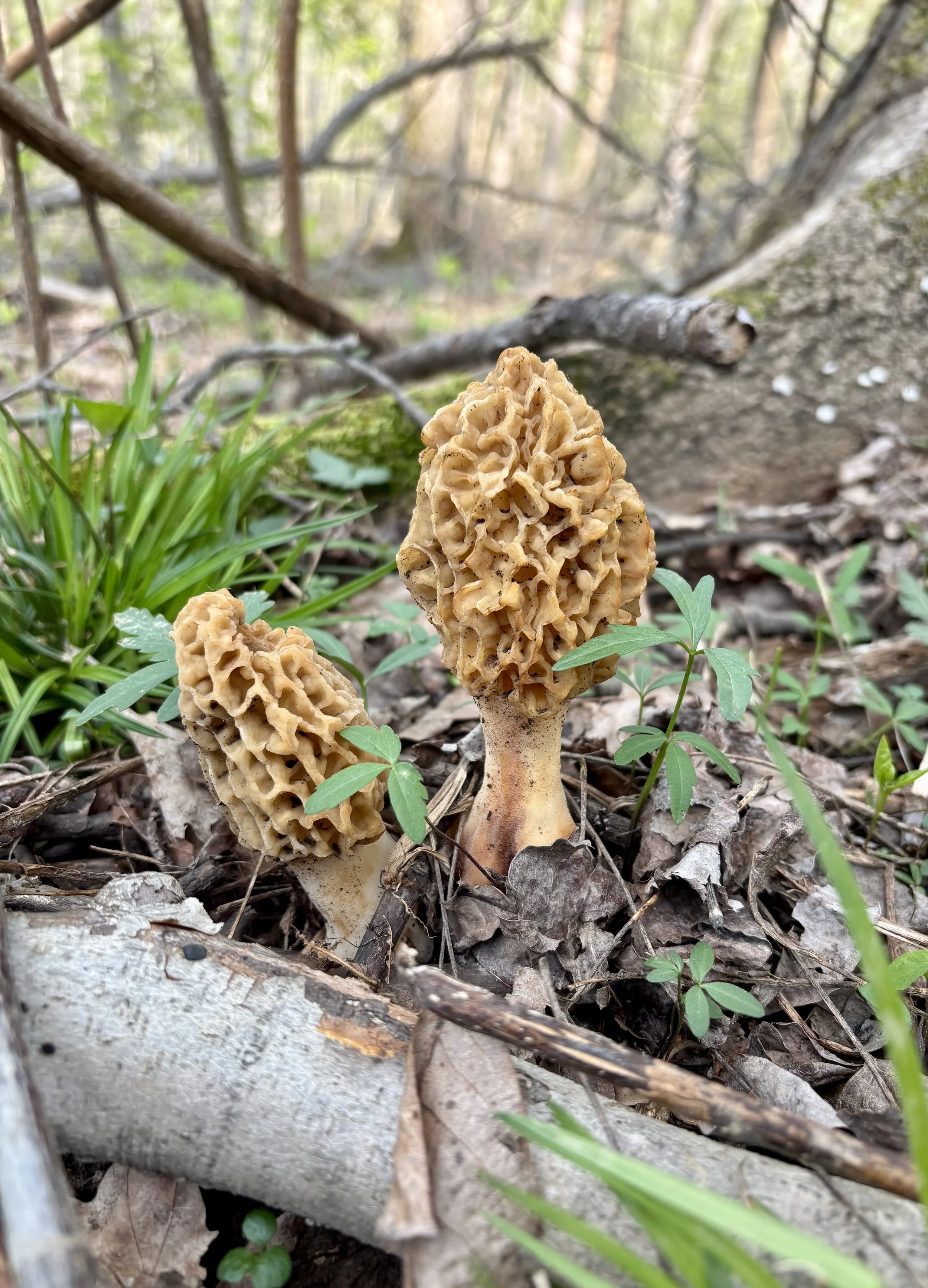
Wild morel mushrooms in Tennessee woods
Morel Season in Middle Tennessee
Spring in Middle Tennessee means it’s time to head to the woods. As the days warm and the soil wakes up, morel mushrooms start popping up across the region. For many people, hunting morels is a seasonal ritual. It’s part treasure hunt, part quiet walk in the woods.
When choosing a place to hunt, look for a more mature forest with established trees and a healthy canopy. In Tennessee, foraging is not allowed in state parks, but many other public lands do permit it. BLM and public lands are fair game. LBL (Land between the lakes) consists of more than 170,000 acres of forests, wetlands, and open lands on a peninsula between Kentucky Lake and Lake Barkley in Western Kentucky and Tennessee. LBL is one of the largest contiguous blocks of undeveloped forest in the eastern United States! Always check local regulations before you go. Private land can be one of the best options. If you have a friend or neighbor with property, it’s worth asking permission. Most people are excited to learn there might be a morel patch on their land.
Where to Look
Morels love moist, well-drained forest floors. In Middle Tennessee, you’ll often find them along creek bottoms, wooded slopes, and areas that get good spring sunlight.
A few places worth checking:
Around dead or dying elm trees
Near tulip poplar
Around old apple trees
Along sycamore and ash trees
Forest edges and disturbed ground
They blend in well with leaves and forest debris, so move slowly and scan carefully. Once you find one, stop and look around. They often grow in small clusters and there may be more nearby.
Trees That Often Host Morels
Learning a few tree species can really improve your odds. In our area, morels are commonly associated with:
Tulip poplar
Elm
Ash
Old apple orchards
Sycamore near water
Pay special attention to trees that are recently dead or stressed. These changing conditions often create the right environment for morels to fruit.
Harvesting Mindfully
Morels are a seasonal gift, and it is worth harvesting them with care.
A few simple practices help keep patches productive:
Take only what you will use
Leave small mushrooms to mature
Avoid raking or disturbing the forest floor
Walk lightly and respect the land
Before placing morels in your hunting bag, trim the base of the stem to remove dirt and debris. This keeps your harvest cleaner and helps spread spores as you move through the woods.
How We Use Our Morel Harvest
Every spring we gather enough morels to enjoy fresh, but we also dehydrate part of the harvest so we can use them year-round. Those wild morels become one of the ingredients in our savory and spicy mushroom seasoning blends.
If you want to taste Middle Tennessee morel season anytime, you can find those blends in our online shop.

Functional mushroom seasoning. All purpose, delicious, nutritious, prebiotic.
We use Redmonds Real Salt!
Great on almost any savory dish! Breakfast, lunch or dinner. Can be added during cooking or as a topping. Try it on pizza, in soups and stocks, steaks or veggies on the grill, and more!
Ingredients: Dried mushrooms, Real Salt, Black Pepper, Garlic, Onion, Turmeric, Nutmeg.
SHOULD BE COOKED
This seasons recipe:
Morel
Lion’s Mane
Maitake
Oyster
Tramella
Shiitake
Other ingredients: ALL ORGANIC. Salt, Black Pepper, Garlic, Onion, Turmeric & Nutmeg.
Store in a cool, dry place.